What Makes a Great Science Fiction Author?
You know, I’ve always been fascinated by the magic behind those gripping sci-fi novels that keep us up at night, turning pages faster than a hyperdrive can jump. What exactly makes a great science fiction author? Is it the wild imagination? The knack for predicting the future? Or maybe just the ability to create characters you actually care about, even if they’re battling rogue AI or surviving dystopian wastelands?
Let’s dive into this together. I’ll share some thoughts, sprinkle in examples from famous sci-fi writers, and maybe even convince you to pick up a new book or two. Ready? Let’s go!
What Sets Famous Sci-Fi Writers Apart?
When we talk about famous sci-fi writers, we’re not just talking about folks who can dream up cool gadgets or alien worlds. Nope, it’s way more than that. These authors have a special recipe that blends imagination, insight, and storytelling chops.
Here’s what I think makes them stand out:
Visionary Ideas: They don’t just imagine new tech or planets; they explore what if scenarios that challenge our understanding of humanity. Think about Philip K. Dick’s mind-bending realities or Isaac Asimov’s laws of robotics. These ideas stick with you long after the last page.
Relatable Characters: Even in the most futuristic settings, the best sci-fi writers create characters with real emotions, flaws, and dreams. You root for them, fear for them, and sometimes see yourself in them.
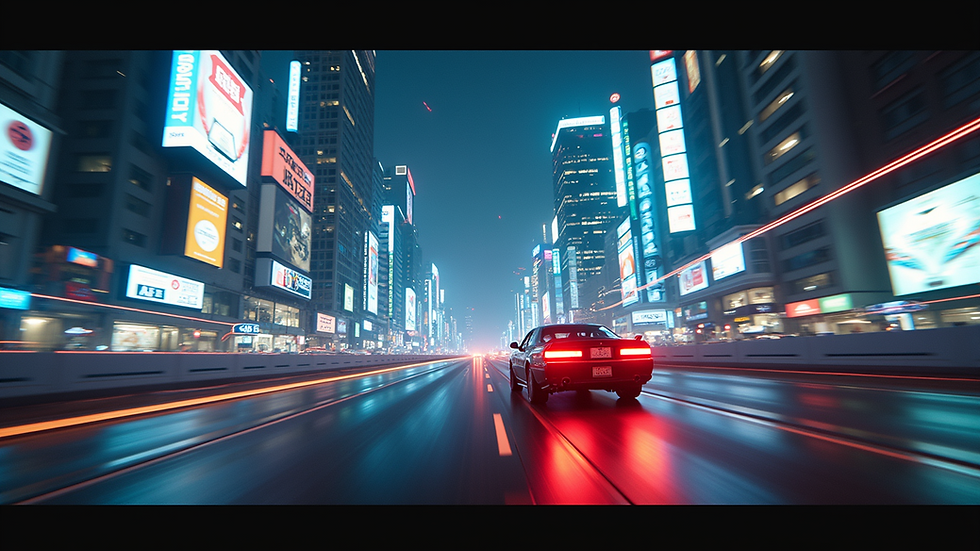
World-Building Mastery: The universe they create feels lived-in and believable. From the gritty streets of a cyberpunk city to the vast emptiness of space colonies, the setting is almost a character itself.
Social Commentary: Great sci-fi often holds up a mirror to our society. It’s not just about spaceships and robots; it’s about us - our fears, hopes, and ethical dilemmas.
Tight, Engaging Plots: Let’s be honest, no one wants to slog through pages of jargon or endless exposition. The best authors keep the story moving, balancing action with thought-provoking moments.
If you’re curious about becoming a science fiction author, these are the qualities you’ll want to nurture. It’s a tough gig, but oh-so-rewarding!
The Influence of Famous Sci-Fi Writers on the Genre
When you look at the giants of sci-fi, their influence is everywhere. They’ve shaped not just literature but movies, TV shows, and even how we think about technology.
Take Arthur C. Clarke, for example. His novel 2001: A Space Odyssey didn’t just entertain; it inspired real-world space exploration and AI research. Or Ursula K. Le Guin, whose thoughtful explorations of society and gender continue to resonate deeply.
These authors show us that sci-fi isn’t just escapism. It’s a way to explore complex ideas in an accessible, thrilling way. Their work encourages new writers to push boundaries and readers to question the world around them.
If you want to write sci-fi that sticks, study these masters. Notice how they balance big ideas with human stories. And don’t be afraid to get a little weird or wild with your concepts!

Who is the Best Science Fiction Author?
Ah, the million-dollar question! Who is the best science fiction author? Honestly, it’s like asking which star in the galaxy shines the brightest. It depends on what you love most about sci-fi.
Some swear by Isaac Asimov for his logical, almost prophetic storytelling. Others adore Philip K. Dick for his mind-bending twists and psychological depth. Then there’s Octavia E. Butler, whose powerful narratives on race and identity broke new ground.
And let’s not forget the contemporary voices like Will Gibson, who’s carving out a niche with his thrilling blend of futuristic sci-fi and suspense. His stories explore humanity’s tangled relationship with technology in ways that feel fresh and urgent.
So, who’s the best? I say it’s whoever speaks to you. The author whose worlds you want to live in, whose characters you cheer for, and whose ideas make you think long after you close the book.

How to Develop Your Own Sci-Fi Voice
If you’re itching to write your own sci-fi stories, here’s a little secret: the best authors didn’t start out perfect. They honed their craft over time, learning from others and experimenting with their style.
Here are some tips to help you find your unique voice:
Read Widely: Dive into classics and new releases. Notice what excites you and what feels overdone.
Write Regularly: Even if it’s just a few hundred words a day, consistency builds skill.
Mix Genres: Don’t be afraid to blend sci-fi with thriller, romance, or mystery. It keeps things fresh.
Focus on Characters: Develop characters with depth. Their struggles and growth will hook readers.
Ask Big Questions: Use your stories to explore ethical dilemmas or future possibilities. What does technology mean for humanity? What happens when AI gains consciousness?
Get Feedback: Join writing groups or share your work with trusted friends. Fresh eyes catch what you might miss.
Remember, writing sci-fi is as much about exploring as it is about telling. Have fun with it!
Why We Keep Coming Back to Sci-Fi
There’s something about sci-fi that keeps pulling us back, isn’t there? Maybe it’s the thrill of imagining new worlds or the comfort of knowing that no matter how strange things get, human stories remain at the core.
Sci-fi challenges us to think bigger and dream wilder. It’s a playground for ideas about AI, space travel, dystopias, and the future of humanity. And when done well, it’s a mirror reflecting our hopes and fears.
So, whether you’re reading a classic or a fresh voice like Will Gibson, you’re part of a tradition that’s as exciting as it is thought-provoking. And who knows? Maybe one day, you’ll be the next great science fiction author inspiring readers around the world.
Go on, pick up that pen or keyboard. The future is waiting!
If you want to explore more about what it takes to be a science fiction author, check out Will Gibson’s work. His unique blend of futuristic sci-fi and suspense is a fantastic example of how to captivate readers with stories that matter.
Happy reading and writing!


A great science fiction author does more than imagine futuristic worlds; they create believable characters, explore meaningful ideas, and make readers think about the possibilities of tomorrow. Strong world-building and compelling storytelling help turn imaginative concepts into memorable experiences. This is an insightful topic for anyone interested in improving their writing and understanding what makes science fiction truly engaging.